
Evernews
Winter Play, The Everlearn Way
May 8, 2026
We’ve definitely had our first taste of the cooler months today! And with winter just around the corner, we wanted to take the opportunity to share how colder weather is approached at Everlearn.
For many years, outdoor winter play has been blamed for colds and flu. Many of us grew up hearing “Put your jumper on or you’ll catch a cold!” However, as we all became more aware during the COVID period, viruses such as colds and influenza are primarily spread through close contact with other people, particularly in indoor environments with limited ventilation.
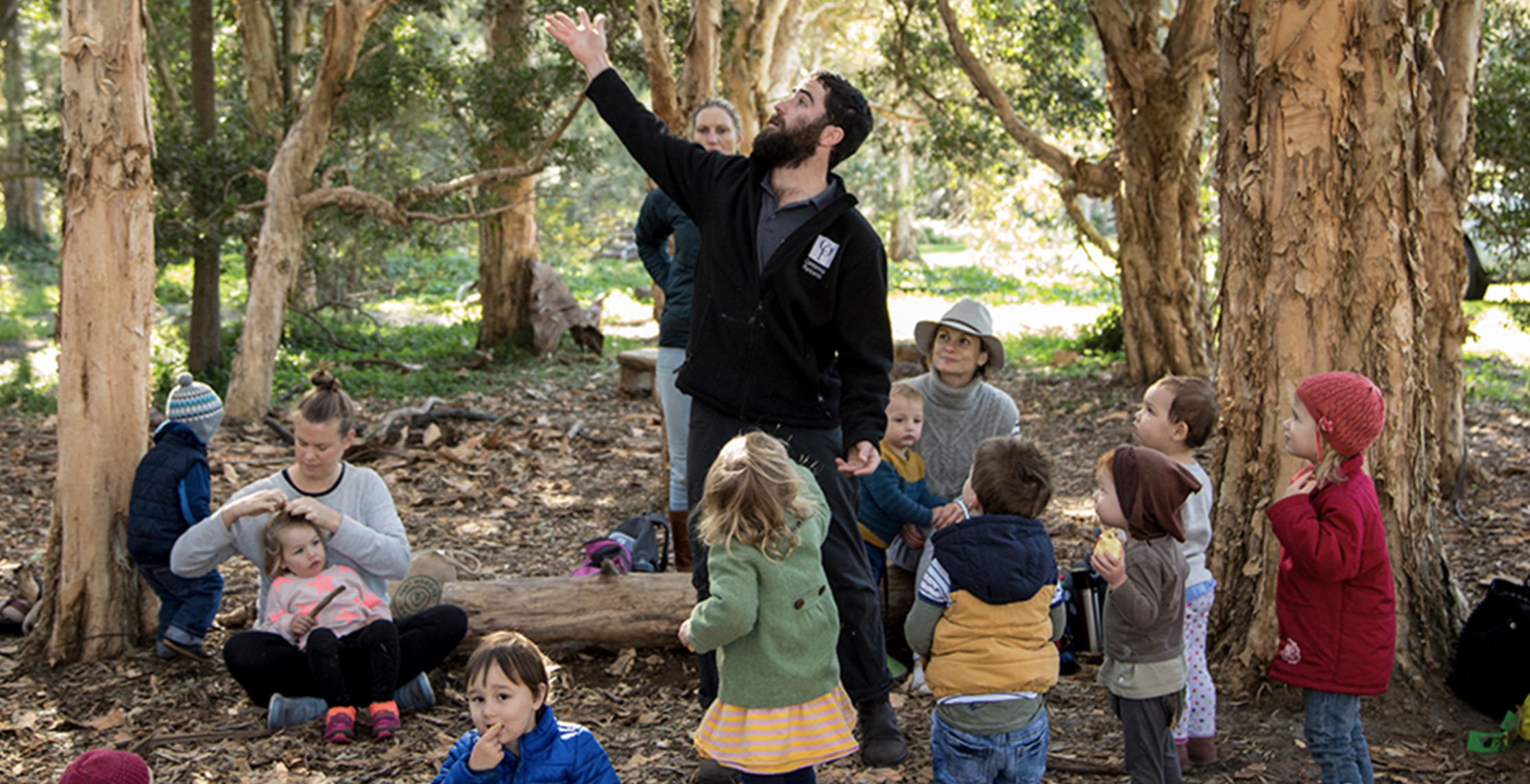
In fact, fresh air and outdoor play continue to be an important part of children’s health, wellbeing and learning throughout winter. With appropriate clothing and supervision, children can enjoy outdoor experiences safely and comfortably during the colder months.
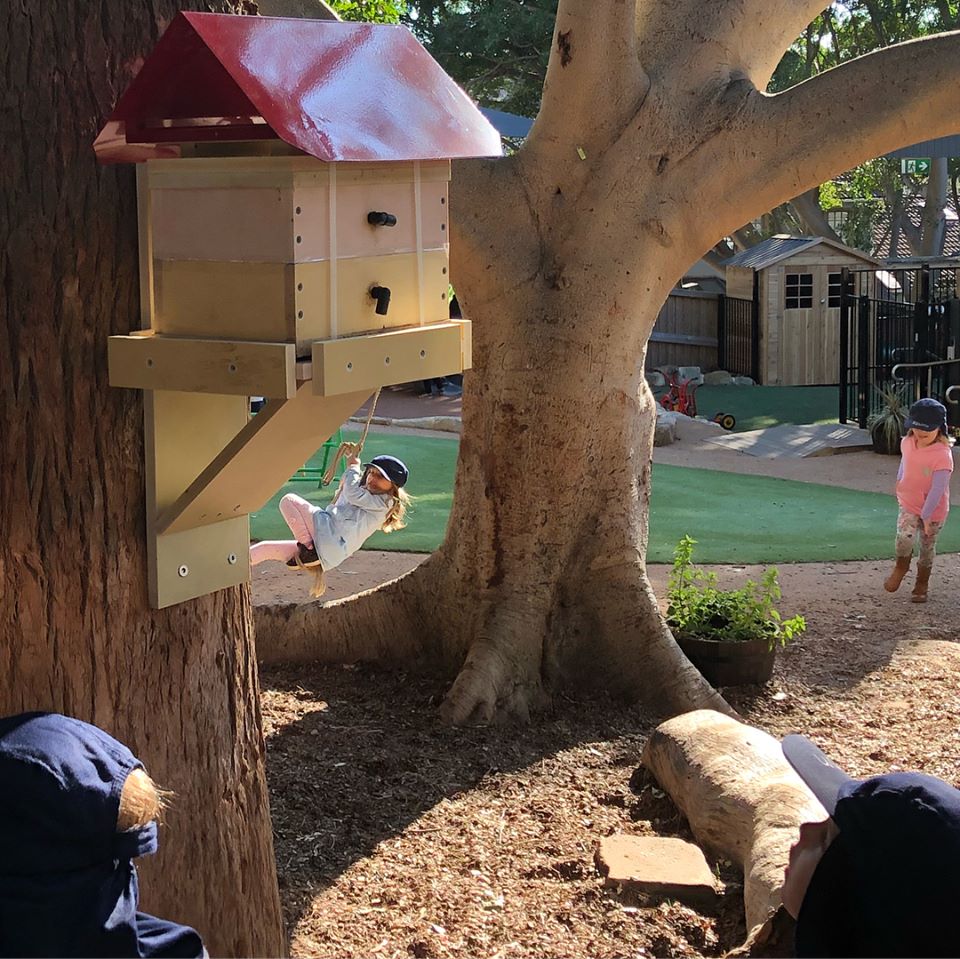
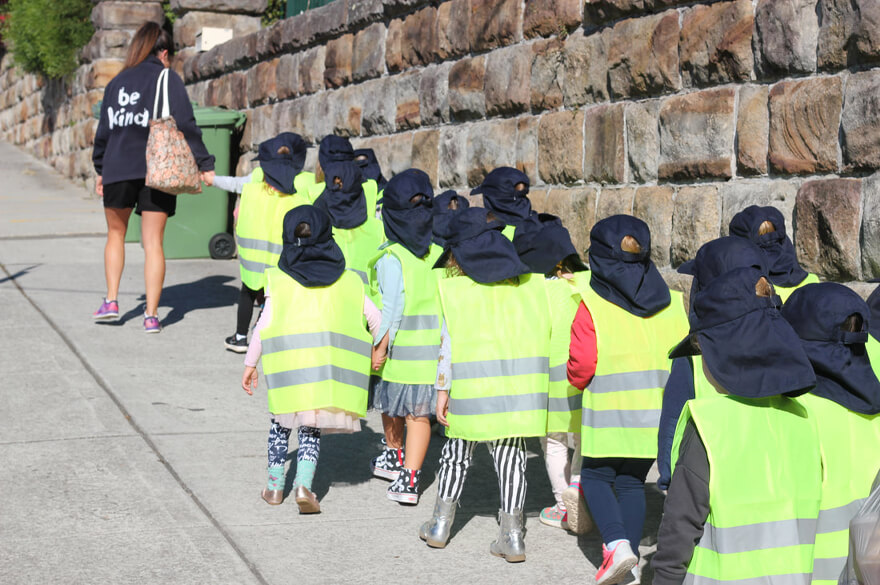
At Everlearn, there is very little change to our day-to-day routine during winter. Outdoor play remains an important part of our program and children will continue spending time outside each day.
You may notice that during June and July, children and educators will generally not be required to wear hats outdoors and sunscreen will not routinely be applied. This aligns with current SunSmart recommendations, which recognise the importance of moderate sun exposure for vitamin D production during the winter months. On days where the UV Index reaches 3 or above, hats and sunscreen will continue to be used as normal.
Our educators also carefully monitor children’s comfort and wellbeing throughout the day, particularly for children with asthma or other weather-affected health conditions.

Below are a few helpful reminders for the colder months:
What to Wear
• Dress children in several thin layers rather than one heavy layer. Layers are easier to adjust as children move between indoor and outdoor environments and as their activity levels change throughout the day.
• Please pack warm clothing such as jumpers, jackets, beanies and appropriate shoes for outdoor play on colder days.
• As a general guide, babies and young children often need one more layer of clothing than an adult would wear in the same conditions.
• When travelling in the car, children should wear thin, fitted layers rather than thick or bulky jackets while in their car seat. Bulky clothing can prevent harnesses from fitting correctly and may reduce the effectiveness of the restraint in an accident.
• Most importantly, please ensure all clothing is clearly labelled and that your child has a few different clothing options packed each day. Our educators are very experienced in supporting children to adjust layers and clothing based on the weather and their level of activity.
If you have any questions, please feel free to speak with one of our educators or the office team.

Growing Connections: Everlearn Celebrates National Tree Day with the Tree of Wisdom
July 25, 2026
 LINK
LINK










Clovelly(02) 9665 4648
Prestons(02) 9608 8458
Clovelly
58 Arden St
Clovelly NSW 2031
Prestons
61 Dalmeny Dr
Prestons NSW 2170
Everlearn Preschool
Copyright © 2026
Mon - Fri
7:30AM - 5:30PM

