
Evernews
Educators Who Stay and Grow: Why the Same Familiar Faces Matter
September 24, 2026

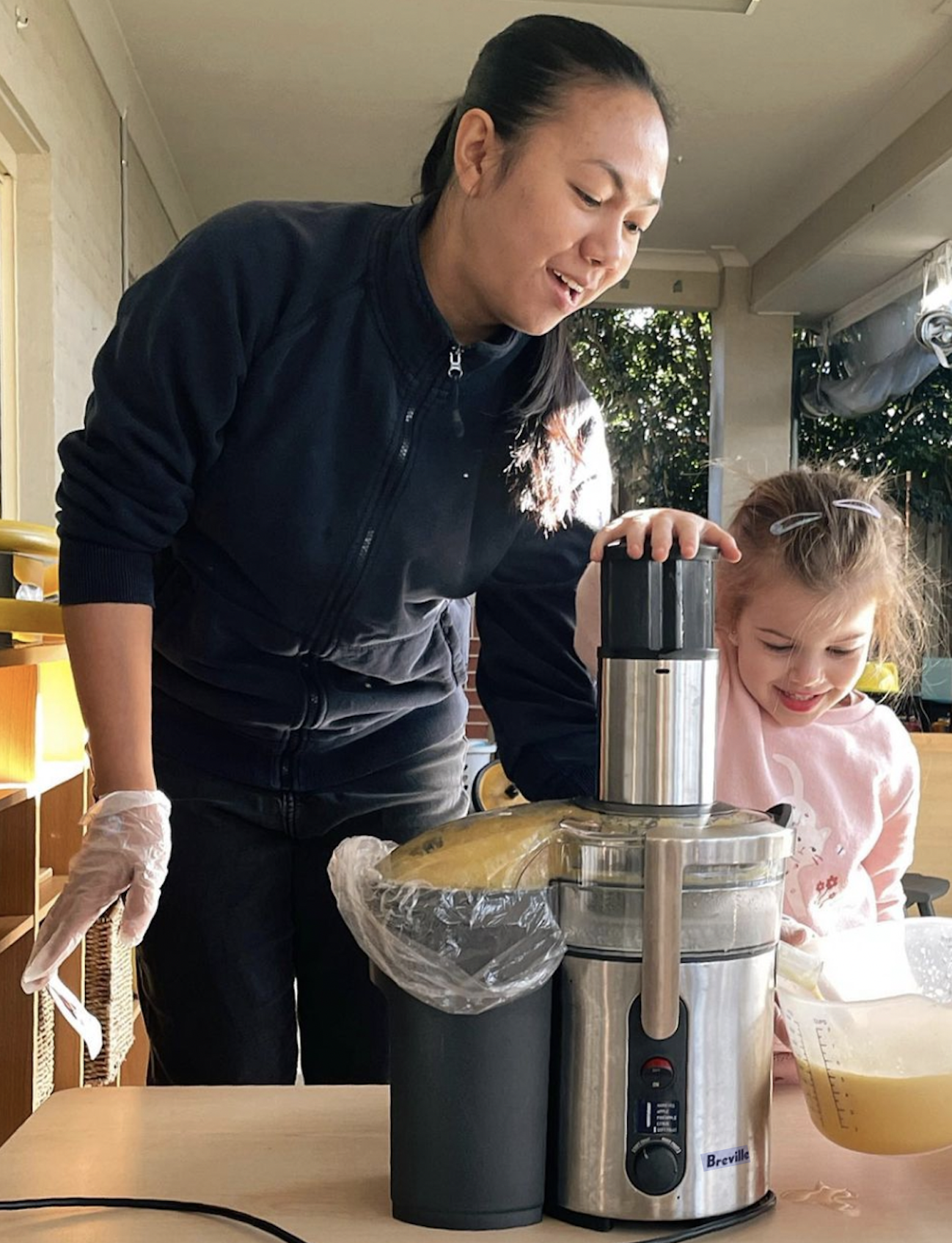
Ask any parent what made their child’s first weeks at preschool easier, and the answer is almost always a person. It might be the educator who knew exactly how to settle them at drop-off, who remembered their favourite book, or who noticed they were coming down with something before anyone else did.
That kind of knowing takes time. And across Australia, time is exactly what many early learning services don’t get with their educators.
Why familiar educators matter so much
Children learn best when they feel safe. For young children, that sense of safety comes from relationships. When a child trusts the adult caring for them, they have a secure base to explore from. That’s when they try the climbing frame, join a new group of friends or have a go at writing their name. A child who is still working out who will be there today puts their energy into coping, not learning.
Knowing a child takes months, not days. A long-standing educator learns the small things: what a quiet morning means, how a child shows they’re tired, which transitions are hard and what helps. These details shape a hundred small decisions every day, and none of them fit in a handover note.
Continuity supports development. Early childhood is a period of rapid growth, and good educators build on what came before. When the same educator has watched a child go from parallel play to cooperative play, or from single words to full sentences, they can plan the next step with real insight. When educators keep changing, that thread gets broken again and again.
Families build trust too. Parents share a lot with their child’s educators, from sleepless nights to new siblings to worries about development. That trust grows over time. Many of our educators have now cared for several children from the same family, and that shared history means a lot to families.
Stable teams deliver consistent quality. Educators who have worked together for years share routines, expectations and a common way of doing things. Children get the same warm, predictable experience whichever room they’re in and whoever is on shift.
The challenge facing the sector
Across Australia, early childhood education is facing a serious workforce shortage. Research cited in Early Childhood Research Quarterly found that more than one-third of early childhood educators leave their position each year. Surveys of educators have found that more than a quarter intend to leave within the next 12 months, and almost three in four within three years.
Jobs and Skills Australia estimates the sector is currently short around 21,000 qualified professionals, and job advertisements for educators and teachers rose by 228% between January 2020 and January 2023.
For families, this often means a revolving door of new faces, casual staff covering rooms and relationships that have to start again from scratch.
How Everlearn compares
We looked at the educators and centre leaders across our Clovelly and Prestons campuses today. Here’s what we found.

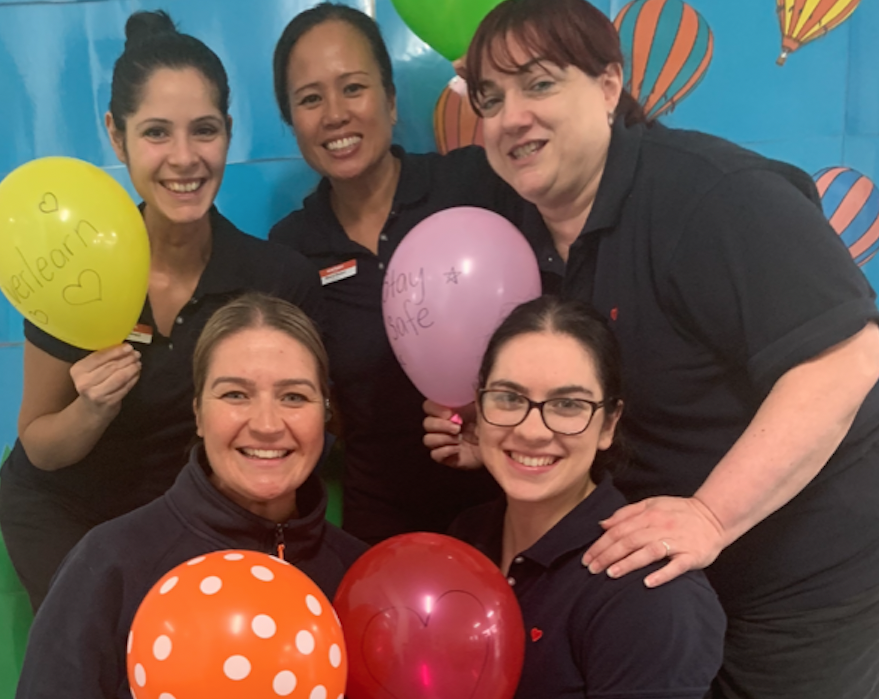
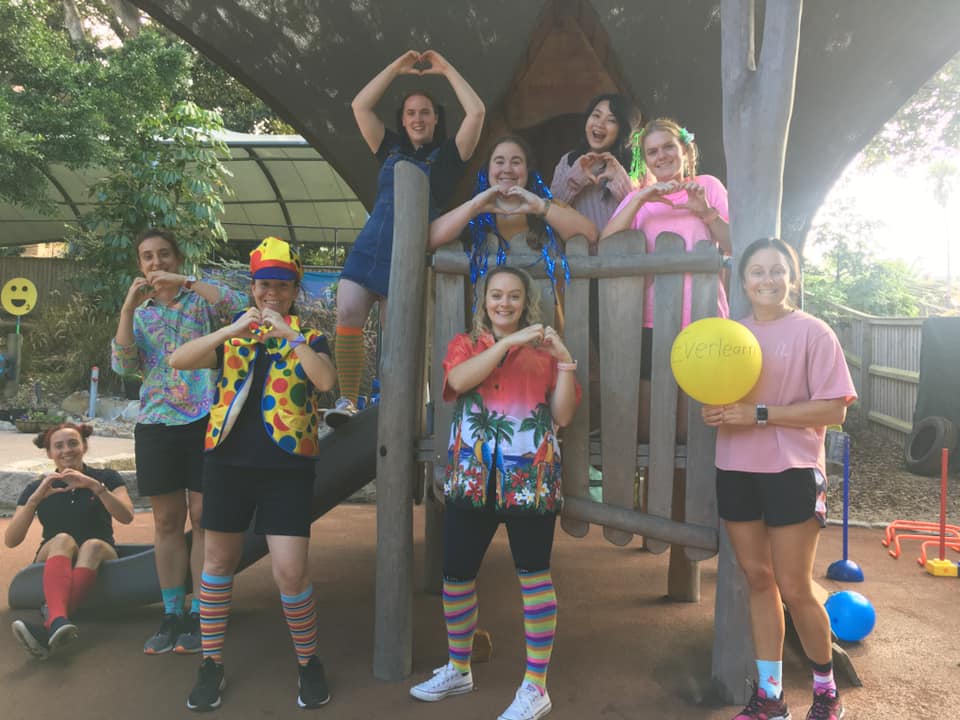
Together, our 32 core educators and centre leaders have spent 149 years at Everlearn. Two in three have been with us for three years or more, and 12 have been with us for five years or more.

At the sector’s rate of turnover, fewer than three in ten educators in a typical team would have been there for three years or more. At Everlearn, it’s two in three.

Some of our educators have been part of the Everlearn family for more than a decade. Emily Morrow has been teaching at Clovelly since 2012. At Prestons, Gracelyn Martin and Sheryl Reano have each been with us for over 12 years. Many of them have now taught the younger siblings of children they cared for years ago.

How we keep great educators
Educators stay where they feel valued, supported and able to grow. At Everlearn, that means:
- Investing in qualifications. Many of our educators have gone from Certificate III to Diploma to degree while working with us. Angie Lew completed her Bachelor’s degree while teaching at Prestons, and several of our current team are studying towards their Early Childhood Teaching degree now.
- Growing leaders from within. Our leadership teams include educators who have grown with Everlearn over many years.
- Reflective practice. Our educators regularly reflect on their teaching together, so they keep learning and feel part of a shared purpose.
- A supportive culture. Everlearn has been family-run since 2010. We know our educators well, and we build our teams around people who care about children and each other.
What this means for your child
When you enrol at Everlearn, your child joins a community where the faces are familiar and the relationships last. The educators who greet your child at the door are likely to be the same people who see them through their first words, first friendships and their first day of school.
We’d love you to meet them. Book a tour at Clovelly or Prestons and see what a team that stays looks like.
Growing Connections: Everlearn Celebrates National Tree Day with the Tree of Wisdom
July 25, 2026
 LINK
LINK












Clovelly(02) 9665 4648
Prestons(02) 9608 8458
Clovelly
58 Arden St
Clovelly NSW 2031
Prestons
61 Dalmeny Dr
Prestons NSW 2170
Everlearn Preschool
Copyright © 2019
Mon - Fri
7:30AM - 5:30PM

