In a world where children are constantly entertained, scheduled and stimulated, boredom can feel like something to avoid. When a child says “I’m bored”, the natural instinct is to step in with a solution, something to do, or something to watch.
But in early childhood education, we take a different view.
Boredom isn’t something to fix. It’s something to allow.
Because that quiet, in-between moment is often where the most important learning begins.
What’s happening in the brain?
When children are engaged in structured activities, their attention is focused outward. They are following instructions, responding to prompts, or working toward a clear outcome.
But when that structure drops away, the brain doesn’t switch off. It shifts gears.
A network in the brain known as the Default Mode Network (DMN) becomes more active. This is the system linked to internal thinking, the kind that isn’t driven by the outside world.
In this state, the brain is:
- Making connections between ideas
- Replaying and organising experiences
- Imagining possibilities
- Beginning to plan and problem-solve
It’s also the state associated with daydreaming. While it can look like “doing nothing”, it’s actually a critical part of how children process the world and develop creativity.
If children are constantly given something to do, they have fewer opportunities to access this mode of thinking.
The role of boredom
Boredom often comes with a brief period of discomfort. That’s not a flaw, it’s the trigger.
It’s the moment where the brain essentially says, “there’s nothing here, create something.”
If that feeling is immediately removed, children don’t learn how to move through it. But if they’re given time, something shifts. They begin to generate their own ideas, often in ways adults wouldn’t predict.
That’s when you start to see:
- Games being invented from nothing
- Objects being used in new and imaginative ways
- Children negotiating, collaborating and leading their own play
This is where independence and creativity actually develop, not in pre-planned activities, but in the space before them.
How this connects to the EYLF
The Early Years Learning Framework (EYLF) is built on the idea that children are capable, active participants in their own learning.
Allowing space for boredom directly supports this.
When children have time to think, explore and initiate their own play, they are developing:
- A stronger sense of identity through independence (Outcome 1)
- Social skills through collaboration and shared problem-solving (Outcome 2)
- Confidence as learners who can explore, persist and create (Outcome 4)
From both a developmental and neurological perspective, these outcomes are strengthened when children are not constantly directed.
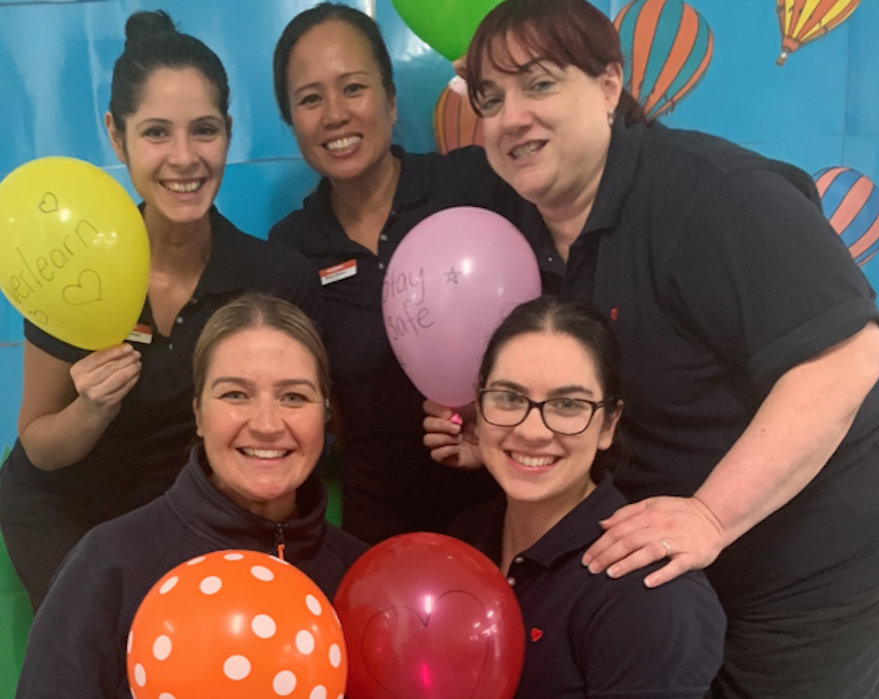
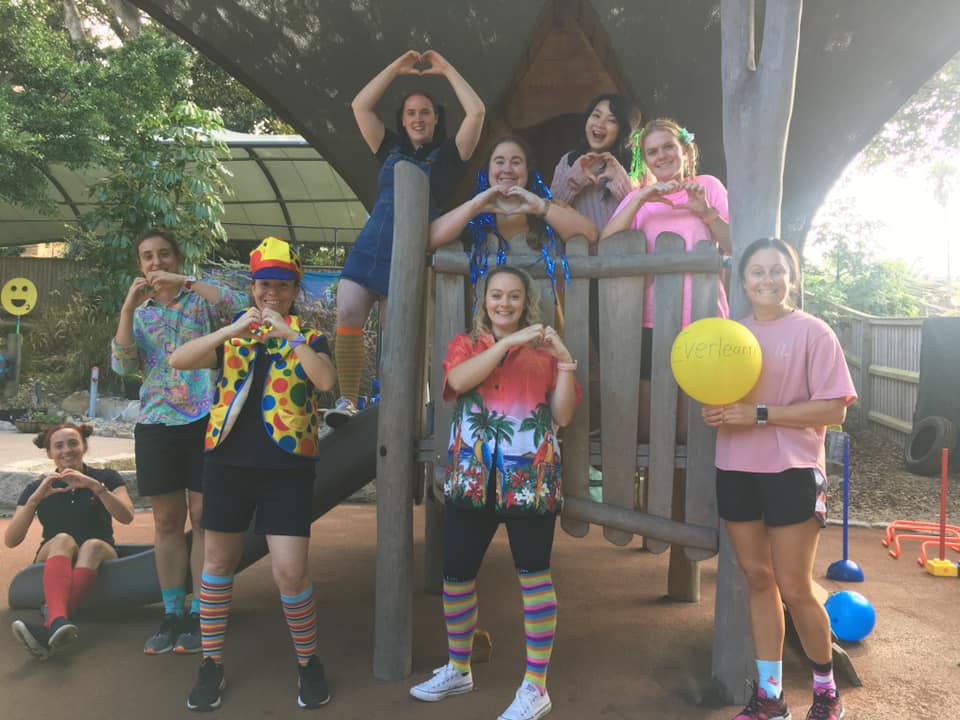
What this looks like at Everlearn
At Everlearn Preschool, this approach is intentional.
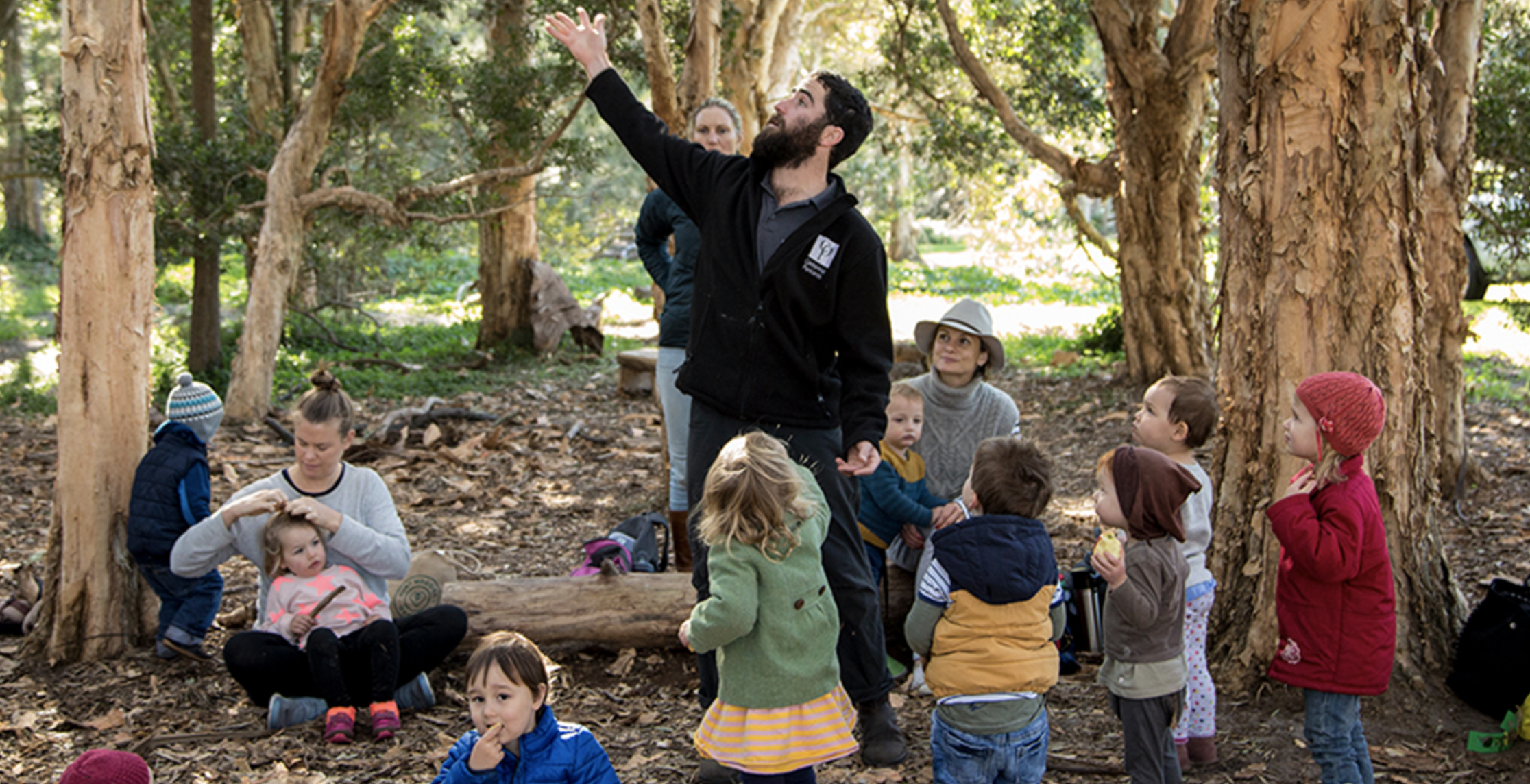
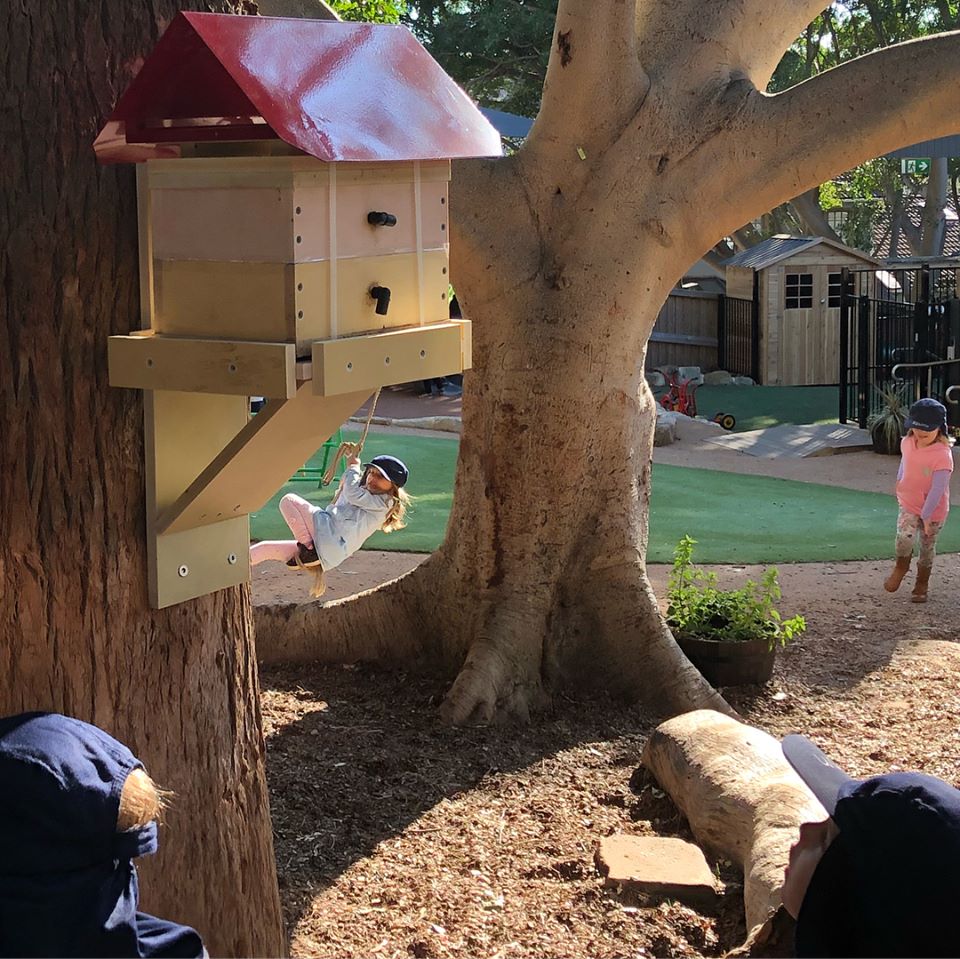
There are periods in the day where children are not guided into structured activities. Instead, they are given time and space to explore, think and create.
You might notice:
- Children moving freely between experiences without a set goal
- Long stretches of uninterrupted play
- Educators observing rather than leading
- Play that evolves naturally rather than being pre-determined
This doesn’t mean educators are disengaged. In fact, the opposite is true. Their role is to watch closely, understand each child, and step in only when it adds value.
Sometimes that means extending an idea.
Sometimes it means asking a question.
And sometimes it means doing nothing at all.
Finding the right balance
This approach isn’t about leaving children unsupported. Too little guidance can lead to frustration, just as too much structure can limit independence.
The balance is in knowing when to step in and when to hold back.
That’s where experience and professional judgement matter.
What this means at home
You don’t need to fill every moment of your child’s day.
If your child says they’re bored, it’s worth pausing before responding. Give them time to sit in that feeling and see what they come up with.
Often, the most creative and engaged play comes just after that point.
Final thought
Boredom isn’t wasted time. It’s a shift in how the brain is working, from reacting to the world to creating within it.
At Everlearn, we protect that space.
Because that’s where children develop imagination, resilience and the ability to think for themselves.



 LINK