
Evernews
Educator Shortages & Staff Turnover
April 28, 2024
What Families Should Know…
Across Australia, early childhood education services are facing a sustained shortage of qualified educators. You’ve likely seen this reflected in media coverage, waitlists, or even changes within your own child’s centre. It’s a complex issue, but one that has real, day-to-day impacts on children, families, and the quality of care.
Here’s what’s driving it, what it means in practice, and what to look for in a service.
Why are there educator shortages?
There isn’t a single cause. It’s the result of several pressures building over time:
- Rising demand: More families are accessing early education, particularly with increased government subsidies and recognition of its long-term benefits.
- Qualification requirements: Regulatory standards rightly require higher qualifications and ratios, but this reduces the available workforce in the short term.
- Pay and conditions: Historically, early childhood educators have been underpaid relative to the responsibility of their role, leading some to leave the sector.
- Burnout: The work is physically and emotionally demanding, especially in larger services or those with limited staffing buffers.
The result is a competitive labour market where services are often recruiting from a limited pool of experienced educators.
What does high staff turnover mean for children?
Turnover isn’t just an operational issue, it directly affects children’s experience.
When educators change frequently:
- Children lose secure relationships, which are central to emotional wellbeing.
- Learning becomes less consistent, as each educator brings different approaches.
- Families can feel less connected and less confident in the continuity of care.
In early childhood education, relationships are not a “nice to have”, they are the foundation of learning. Stability matters.
What should families look for?
Not all services are affected equally. Some have built systems and cultures that support long-term staff retention.
When evaluating a centre, it’s worth asking:
- How long have your educators been here?
- What do you do to support staff wellbeing?
- How much non-contact time do educators receive for planning and documentation?
These questions tell you far more about quality than marketing language.
A different approach to retention
At Everlearn, we’ve made a deliberate decision to prioritise staff stability, even when it comes at a higher operational cost.
As a smaller, independently owned service, we have more flexibility in how we support our team. This includes:
- Above-award wages to recognise the skill and responsibility of the role
- A strong focus on staff wellbeing, including manageable workloads and supportive leadership
- Providing educators with meaningful time “off the floor” to complete observations, documentation, and professional learning properly
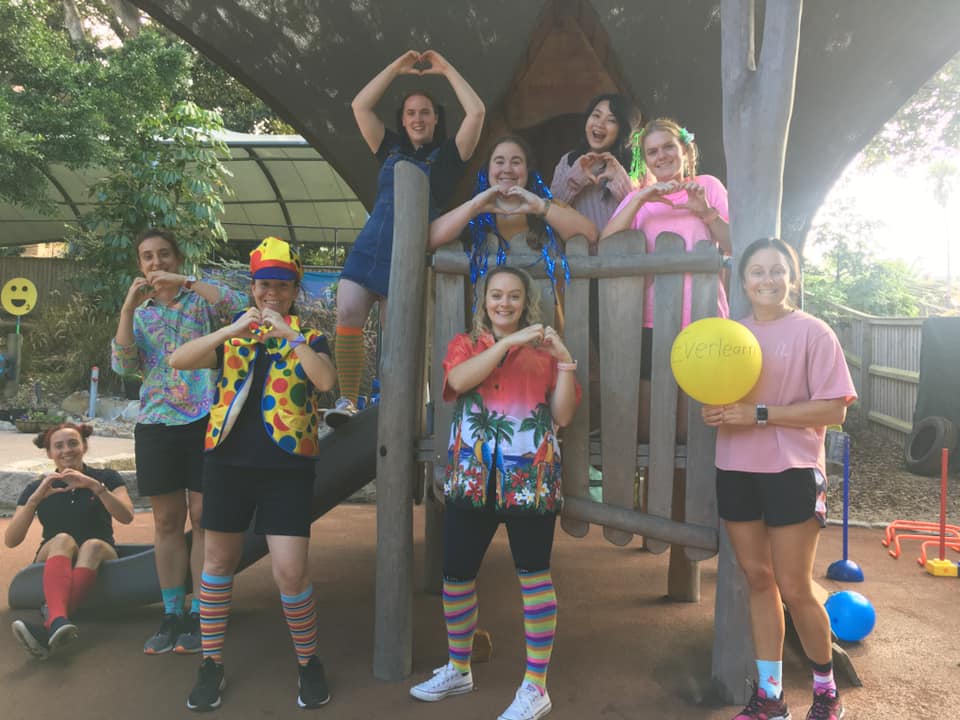
- Maintaining a close-knit team culture, where educators feel known, supported, and valued
The outcome is a high proportion of long-serving team members, including some who have been with us for more than 15 years.
That level of continuity is increasingly rare in the sector, and it’s something families notice quickly when they walk into the centre.
Why this matters for your child
Consistency in educators leads to:
- Stronger emotional security
- Deeper understanding of each child’s needs, interests, and development
- More intentional and meaningful learning experiences
- Better communication with families over time
In practical terms, it means your child is more likely to be known, understood, and supported by people who have built genuine relationships with them.
The bottom line
Educator shortages are a real and ongoing challenge across the sector. But they don’t affect every service in the same way.
Services that invest in their people tend to retain them. And services that retain their educators tend to provide more stable, higher-quality experiences for children.
It’s worth looking past surface-level features and asking the harder questions, because in early childhood education, the people are the program.

Growing Connections: Everlearn Celebrates National Tree Day with the Tree of Wisdom
July 25, 2026
 LINK
LINK
















Clovelly(02) 9665 4648
Prestons(02) 9608 8458
Clovelly
58 Arden St
Clovelly NSW 2031
Prestons
61 Dalmeny Dr
Prestons NSW 2170
Everlearn Preschool
Copyright © 2019
Mon - Fri
7:30AM - 5:30PM

